
How to Keep Hearing Aids Working in Cold Weather
Winter has a way of testing everything you rely on daily, and hearing aids

By: admin | March 25, 2026
Winter has a way of testing everything you rely on daily, and hearing aids are no exception. Most people don’t think about how temperature and moisture factor into how their devices perform until they’re already outside and something feels off.
A hearing aid that was working perfectly indoors can behave differently the moment you step out into the cold, and that gap between what you expect and what you get can be frustrating when you’re just trying to get through your day.
The relationship between hearing aids and cold weather is something worth understanding before winter is fully underway, rather than after you’ve already run into problems.
These are highly technological devices, and the conditions that come with colder months, dropping temperatures, condensation from moving between warm and cold air, and the general dampness that winter tends to bring, all have an effect on how they function.
A little preparation before the season sets in goes a long way toward keeping your devices running the way they should, even on the coldest days.
Cold weather can change how your hearing aids perform in several ways. Low temperatures may make the internal parts of your devices less responsive, and moisture from snow, rain or even your breath can get inside and cause issues. Quick transitions from cold outdoor air to warm indoor spaces often lead to condensation inside the devices.
You might notice:
Most people associate moisture damage with rain or sweat, but winter creates its own kind of moisture problem that’s actually harder to avoid. The main culprit is condensation, and it happens every time you move from a cold environment into a warm one.
That shift in temperature causes moisture to form inside the hearing aid, in the same way a cold glass fogs up in a warm room. It’s a small amount each time, but it adds up, and the internal components of a hearing aid don’t respond well to repeated exposure.
The microphone, receiver and battery contacts are all vulnerable to moisture in ways that affect performance. You might notice sound cutting in and out, a drop in volume or the device shutting off unexpectedly.
Sometimes, the damage is gradual enough that you don’t connect it to moisture at all. Winter also tends to increase how often this cycle happens because people are constantly moving between heated indoor spaces and cold outdoor air, sometimes multiple times a day.
That repeated transition is what makes the season harder on hearing aids than most people expect.
Moisture can get into hearing aids in several ways during winter. Snowflakes melting near your ears, sweat trapped by hats or scarves, and condensation from breathing out warm air in the cold all add dampness around your devices.
Activities like shoveling snow or playing outside can increase sweating under winter clothing, which adds more moisture near your hearing aids. Quick changes from cold outdoor air to a warm room can also cause sudden condensation.
While hats and earmuffs offer protection from wind and snow, they may also increase sweating or trap dampness against the skin. Taking extra care during outdoor activities helps keep moisture away from your hearing aids.
Cold temperatures can shorten how long your hearing aid batteries last, sometimes noticeably.
A battery that performs fine indoors may drain faster when you’re spending time outside in winter, and can cut out sooner than you’d expect based on normal use.
Bringing your hearing aids back into a warm environment usually allows performance to recover, and it’s something that catches a lot of people off guard the first time it happens.
Keeping a spare set of batteries with you during winter is a simple way to avoid being caught short, especially if your days involve a lot of time outdoors or moving between warm and cold environments.
Storing your devices in a dry, room-temperature spot when you’re not wearing them also helps protect the batteries and the internal components from the kind of wear that builds up over a season.
Choosing the right batteries for winter helps you avoid frequent changes. Zinc-air batteries, which are common in hearing aids, tend to lose power more quickly in cold weather. Lithium-ion rechargeable batteries usually perform better in low temperatures and last longer between charges.
Check battery packaging for information about temperature performance, and always store extra batteries at room temperature. Using the right type of battery and proper storage can make a noticeable difference during winter months.
Winter opens up a few practical accessory options that most hearing aid wearers don’t know about until someone points them out. None of them are essential for everyone, but depending on how you spend your time in colder months, some of them can make a real difference in how your devices hold up.
Some accessories that are useful to know about heading into winter:
Cold weather doesn’t always announce itself as the reason your hearing aids are acting up. Symptoms look like general device issues, which makes it easy to assume something is wrong with the hearing aid rather than connecting it to the conditions outside.
Some signs that cold weather may be affecting how your devices are performing:
If they don’t, or if the same problems keep coming back throughout the season, it’s a good reason to bring your devices in and have them looked at by your hearing professional.
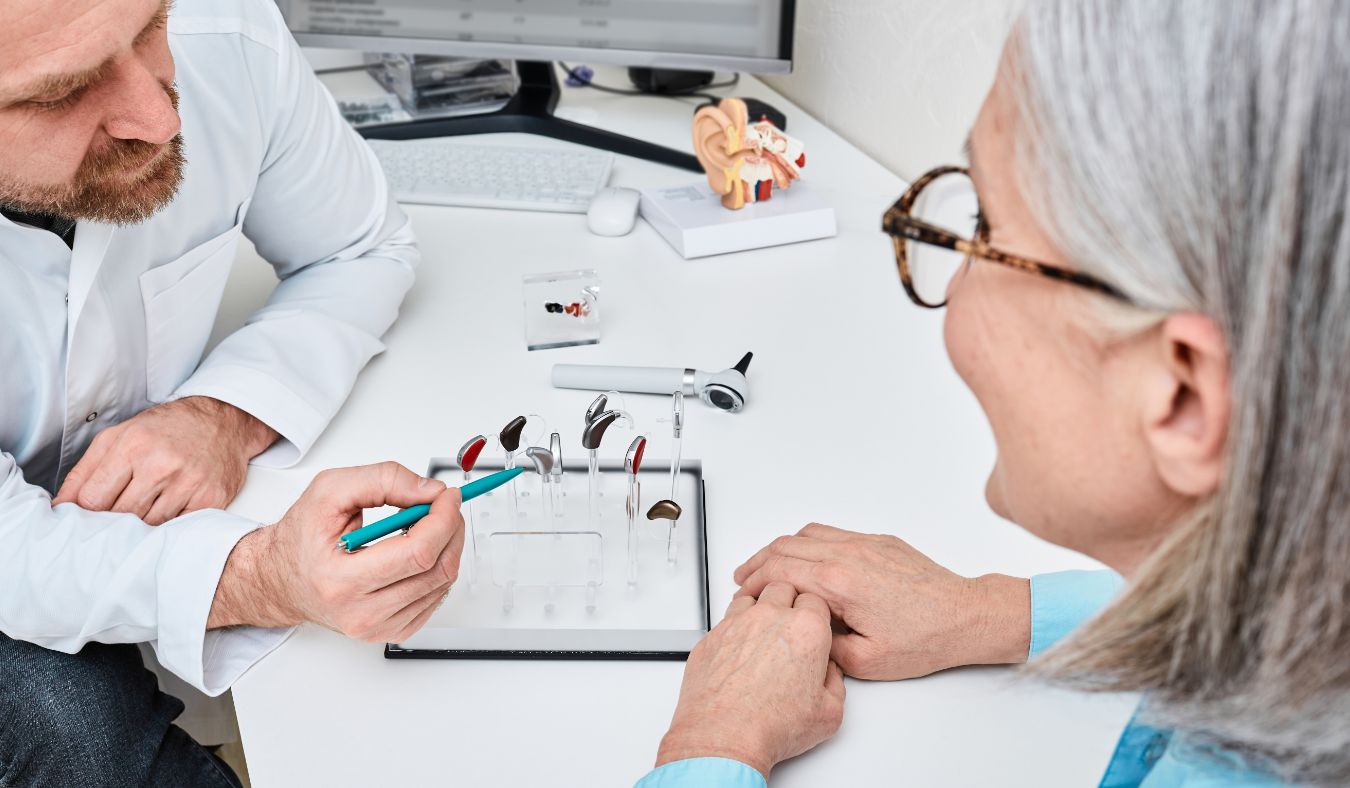
Your hearing care provider isn’t just there for the initial fitting. They’re a resource you can come back to whenever something isn’t working the way it should, and winter-related issues are something they deal with regularly.
If your devices have been acting up during the colder months and you haven’t been able to sort it out on your own, bringing them in is the most direct way to figure out what’s going on.
A hearing professional can clean out any moisture or debris that has built up inside the device, check the internal components for any damage that may have occurred over the season, and make sure everything is functioning the way it should.
They can also look at whether your current devices have moisture protection features and whether there are additional tools, like a hearing aid dryer or dehumidifier, that would help you manage the conditions better at home.
If you’ve been experiencing consistent issues and pushing through them, a quick appointment can save you a lot of frustration and potentially prevent a smaller problem from turning into a bigger one.
Taking care of your hearing aids during winter doesn’t require a complicated routine. A few consistent habits go a long way toward keeping your devices working the way they should, even when the conditions outside are working against them.
Some simple ways to protect your hearing aids during the colder months:
Your hearing aids are something you depend on every day, and winter shouldn’t have to change that. The good news is that most of the issues that come up this time of year are manageable once you know what’s behind them.
A little attention to how you’re storing and caring for your devices goes a long way, and if something does come up that you can’t sort out on your own, getting it looked at sooner rather than later is always the better call.
At Hear Again America, we’re here to help you keep your devices working the way they should, no matter the season.
Whether you have questions about protecting your hearing aids this winter or you’ve been dealing with issues you haven’t been able to resolve, give us a call at (877) 905-9493. We’ll help you figure out what’s going on and make sure you’re set up to hear well all winter long.
Tags: hearing aid basics, hearing aid repair, hearing aid styles
Winter has a way of testing everything you rely on daily, and hearing aids
By: admin | March 25, 2026
For hearing aid wearers, the reliability of their device throughout the
By: admin | October 20, 2025
As we get older, we often focus on staying physically fit, eating well and
By: admin | July 29, 2025